


Top 10 SEO Link Audit Tools To Improve Your Website Visibility


Dec 08, 2025

 6 min
6 min
The global SEO market, valued at $82.3 billion in 2023, is projected to reach $143.9 billion by 2030, growing at a compound annual rate of 8.3%, underscoring the increasing investment in strategies like link audits to stay competitive.
However, not all links are created equal—quality trumps quantity, as a single high-authority backlink can outperform hundreds of low-quality ones, especially amid rising concerns over toxic links that can harm site performance.
Alarmingly, common backlink issues, such as over-reliance on low-domain authority sources or paid links, plague many sites, with 61% of link builders planning to increase spending in 2025 to address these pitfalls and capitalize on opportunities.
Regardless of your niche in business or work, having an in-depth knowledge of a backlink audit and choosing the right backlink audit tool is critical. And also not forgetting a strong interlinking process.
In this blog, we’ll explore the top 10 SEO Link audit tools, outlining their features, including pros and cons and criteria to choose the one that first meets your needs.
Additionally, we’ll cover SEO link audit tips and strategies to maximize your backlink profile.
What is a SEO link Audit?
A SEO link audit is a comprehensive review of all inbound links directing traffic to your site, uncovering hidden risks, toxic backlinks, or untapped growth avenues in your overall link ecosystem.
Key goals of a link audit include:
- Uncovering harmful or irrelevant backlinks that negatively impact SEO
- Finding high-value backlinks that enhance domain authority
- Consistent monitoring of competitor backlinks for insights
- Preparing a disavow file for Google to remove harmful links
A consistent SEO link audit is crucial to ensure your profile stays on top and produces a positive impact on your search engine rankings.
Internal Link Audit vs External Link Audit
The internal link audit focuses on links within your own website (page-to-page links) and the external link audit focuses on links from other websites pointing to yours (backlinks).
Here’s a quick comparison:
| Aspect | Internal Link Audit | External Link Audit |
| Link Type | Links within the same website | Links from other websites (backlinks) |
| Focus | Site structure and navigation | Link quality and authority |
| Control Level | Fully controllable | Limited control |
| Key Checks | Broken links, orphan pages, anchor text, click depth | Toxic links, domain authority, anchor text, link patterns |
| SEO Purpose | Improve crawlability and page authority flow | Protect and improve domain trust |
| Risk Level | Low risk | High risk if toxic links exist |
| Impact on Rankings | Indirect but essential | Direct and significant |
| Tools Used | Screaming Frog, Sitebulb | Ahrefs, SEMrush, Google Search Console |
Why You Need a Backlink Audit
Conducting a backlink audit is no longer an option; it is a necessity. Below are a few reasons:
1. Prevent Your Website from Being Penalized
A backlink audit tool will help you identify harmful links and avoid penalties as Google’s algorithm updates, such as Penguin, pick websites with low-quality backlinks.
2. Boost Organic Rankings
It’s crucial to have a library of high-quality backlinks as they significantly contribute to improving domain authority and enabling higher rankings of pages in search results.
3. Improve Link Building Strategy
Upgrading link-building efforts by auditing existing backlinks that expose what’s working to enable a smarter outreach.
4. Track Competitors’ Strategies
A backlink audit enables you to evaluate competitors’ link profiles to unveil new growth opportunities.
Want to know what else is important in an SEO audit? Explore our SEO audit services.
How to Perform a Backlink Audit
A successful SEO link audit involves several steps:
1. ollect All Backlinks:C Use tools like Ahrefs, SEMrush, or Moz to gather a comprehensive list of backlinks pointing to your site.
2. Evaluate Link Quality: Look at metrics such as Domain Authority, Trust Flow, spam score, and relevance to your niche.
3. Identify Toxic Links: Links from spammy directories, unrelated sites, or low-quality blogs should be flagged.
4. Create a Disavow File: If necessary, use Google Search Console to submit a disavow file for harmful links.
5. Monitor Regularly: A one-time backlink audit is not enough. Schedule audits every 3–6 months to maintain a healthy backlink profile.
Top 10 Backlink Audit Tools
Here’s a curated list of the best backlink audit tools for 2026:
1. SEMrush Backlink Audit Tool
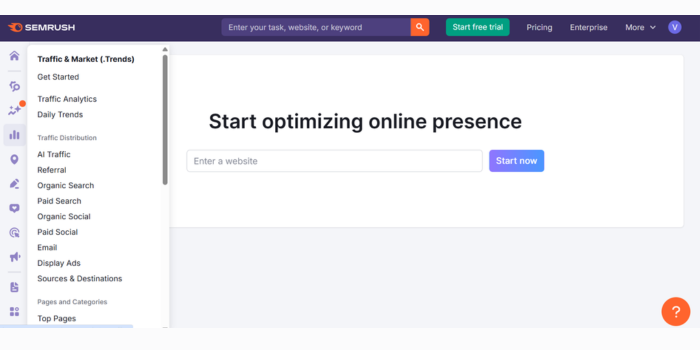
SEMrush offers a comprehensive backlink audit tool that evaluates link toxicity, highlights harmful links, and suggests actions.
Key Features:
Toxic score assessmentBulk backlink analysisIntegration with Google Search ConsoleDisavow file creation
Why It’s Great: SEMrush is ideal for both small businesses and enterprise-level websites due to its detailed insights and user-friendly interface.
2. Ahrefs Site Explorer

Ahrefs provides robust backlink audit capabilities through its Site Explorer.
Key Features:
- Detailed backlink profile analysis
- Referring domains and IP tracking
- Anchor text distribution
- Competitor backlink comparison
Why It’s Great: Ahrefs is known for its vast backlink index and accurate data, making it perfect for a thorough SEO link audit.
Drawbacks: Can be expensive for smaller businesses.
3. Moz Link Explorer
Moz’s Link Explorer is a classic backlink audit tool for tracking domain authority and spam score.
Key Features:
- Domain Authority and Page Authority metrics
- Spam score identification
- Top linking domains and pages
- Historical backlink tracking
Why It’s Great: Moz provides an intuitive interface and beginner-friendly metrics for understanding backlink health.
Drawbacks: Limited backlink index compared to Ahrefs or SEMrush.
4. Majestic SEO
Majestic focuses heavily on backlink data and link metrics, making it a powerful backlink audit tool.
Key Features:
- Trust Flow and Citation Flow scores
- Historical backlink data
- Backlink context analysis
- Bulk backlink import
Why It’s Great: Ideal for deep-dive analysis into link quality and link-building strategy.
Drawbacks: The interface can feel outdated and less intuitive for beginners.
5. Google Search Console
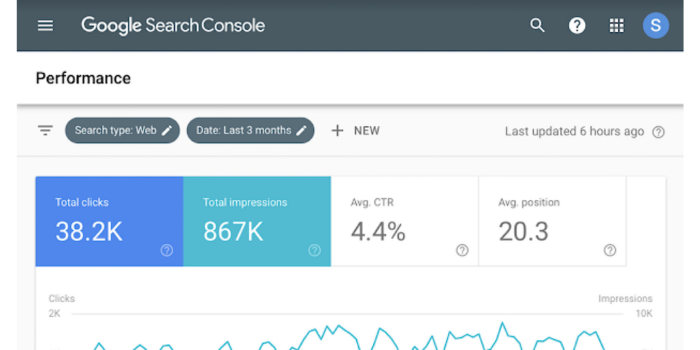
Google’s free tool provides basic insights for a backlink audit directly from Google’s data.
Key Features:
- Link reporting
- Top linking sites and pages
- Disavow file submission
- Integration with Google Analytics
Why It’s Great: Free and directly from Google, it’s essential for monitoring backlink health.
Drawbacks: Limited features compared to premium tools; no spam score metric.
6. CognitiveSEO
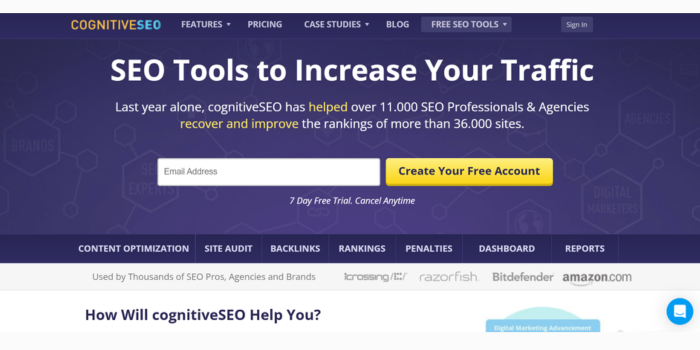
CognitiveSEO offers advanced SEO link audit capabilities with visual link analysis.
Key Features:
- Link risk detection
- Penalty recovery assistance
- Detailed link metrics
- Competitor backlink analysis
Why It’s Great: Useful for identifying patterns in toxic links and planning recovery strategies.
Drawbacks: Pricing can be high for small businesses.
7. LinkResearchTools (LRT)
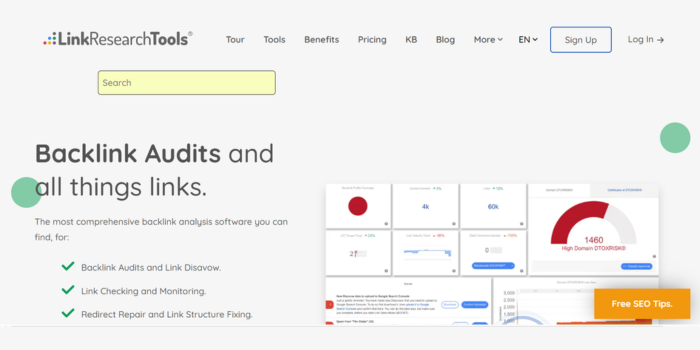
Link Research Tool is designed for professionals performing an in-depth backlink audit.
Key Features:
- Toxic link detection
- Historical link analysis
- Disavow recommendation
- Link penalty risk scoring
Why It’s Great: LRT is highly detailed, perfect for agencies or enterprise SEO teams.
Drawbacks: Complex interface; steep learning curve.
8. SE Ranking
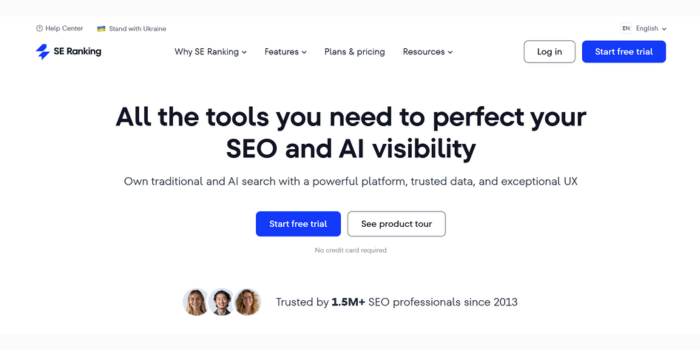
SE Ranking offers a lightweight yet effective backlink audit tool for monitoring link health.
Key Features:
- Backlink profile analysis
- Toxic score reporting
- Automatic email alerts
- Competitor backlink monitoring
Why It’s Great: Affordable and suitable for small to medium-sized websites.
Drawbacks: Less advanced metrics than Ahrefs or SEMrush.
9. Backlink Monitor
Backlink monitor is a dedicated backlink audit tool for tracking links and SEO performance.
Key Features:
- Backlink monitoring
- Lost/gained link tracking
- Spam link alerts
- Competitor link analysis
Why It’s Great: Simple, effective, and perfect for freelancers or small businesses.
Drawbacks: Limited advanced metrics for enterprise SEO.
10. Raven Tools
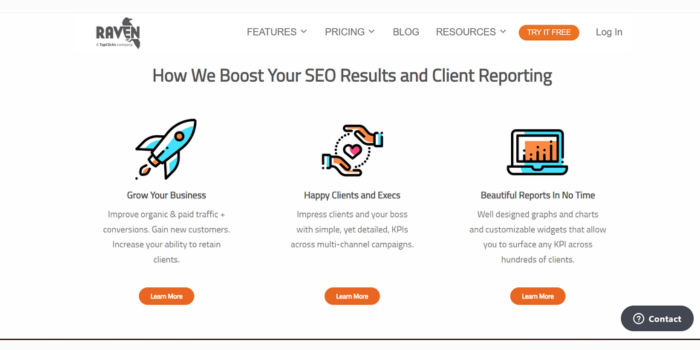
Raven Tools offers a suite of SEO tools including backlink audit features.
Key Features:
- Backlink reporting
- Link toxicity evaluation
- Competitor backlink research
- White-label reporting
Why It’s Great: Ideal for agencies providing client reports.
Drawbacks: May be overkill for single-site owners.
How to Pick the Best Backlink Audit Tool
Evaluating your website’s size, budget and SEO goals is vital when selecting a backlink audit tool for your website.
- Small websites/blogs: Google Search Console or Monitor Backlinks
- Medium businesses: SE Ranking, Moz, CognitiveSEO
- Enterprise/agencies: Ahrefs, SEMrush, Majestic, LRT, Raven Tools
Consider these factors:
- Backlink database size – a larger database means a more comprehensive audit
- Ease of use – user-friendly interface saves time
- Reporting & alerts – automatic notifications for harmful links
- Integration with other SEO tools – for holistic SEO monitoring
Conclusion
Thus, after acquiring complete knowledge of various backlink audit tools, you’ll be able to gauge which tools fit your website the best, as a regular backlink audit is critical to sustain a healthy SEO that avoids penalties and raises rankings.
Therefore, leveraging the right backlink audit contributes significantly to the process of providing actionable insights.
The tools listed in this blog will direct your strategy to contribute to your website’s growth in authority, whether leveraged for performing an SEO link audit for the first time or used for evaluating competitors’ backlinks.
Your Trusted Partner for Backlink Audit & SEO Growth
With years of experience in backlink audit and SEO strategy, Saffron Edge helps brands protect and strengthen their online presence. Talk to our experts today to get your customized audit report.
Share


Rank in AI Overviews
FAQs
What is a backlink audit and why is it important?

A backlink audit is the process of analyzing links targeting your website to ensure the presence of relevant and high-quality backlinks. It significantly contributes to finding harmful links that impact your search rankings and expose you to Google penalties. Consistent audits are critical for a clean and authoritative backlink profile.
How do I perform an SEO link audit effectively?
An SEO link audit encompasses backlink collection, link quality analysis, and finding harmful links. Thus, leveraging backlink audit tools such as SEMrush or Ahrefs streamlines this process, producing accurate metrics and efficiency in reporting.
Which is the best backlink audit tool for beginners?
Google Search Console and Backlink Monitor are the best fit for beginners. These are backlink tools with user-friendly quality, clear insights on the links, enabling users to audit their backlink profile without being confused by complex metrics.
Can a backlink audit improve my website’s SEO?
Yes, performing a backlink audit will significantly improve your website’s health parameters related to SEO metrics. In the event of any harmful links, they will be identified in the audit report, enabling you to craft new link-building strategies that contribute to the achievement of search engine rankings.
How often should I do a backlink audit?
A backlink audit should be conducted every 3-6 months, as regular audits contribute positively to the site’s health, link profile, and identification of toxic links. Additionally, ensuring your backlink audit tool entails insights for refining the existing SEO strategy.

Shreya Debnath

Shreya Debnath is a dedicated marketing professional with expertise in digital strategy, content development and scaling with AI & Automation along with brand communication. She has worked with diverse teams to build impactful marketing campaigns, strengthen brand positioning, and enhance audience engagement across multiple channels. Her approach combines creativity with data-driven insights, allowing businesses to reach the right audiences and communicate their value effectively. She perfectly aligns sales and marketing together and makes sure everything works in sync. Outside of work, Shreya enjoys exploring new cities, diving into creative hobbies, and discovering unique stories through travel and local experiences.
Related Blogs
We explore and publish the latest & most underrated content before it becomes a trend.
10 min read
The Ultimate Guide to HubSpot Implementation: A Step-by-Step Approach for Businesses
By Sabah Noor

4 min read
The Ultimate Guide to LinkedIn Content Marketing for B2B Businesses
By Sabah Noor

Subscribe to Saffron Edge Newsletter!


Rank in AI Overviews