


The Ultimate Guide To SEO Automation: Tools, Strategies & Trends


Jan 19, 2026

 7 min
7 min
SEO automation is no longer a “nice-to-have.” It’s how modern brands survive search updates.
With Google rolling out multiple core updates every year and AI-powered results becoming the norm, doing SEO manually just doesn’t cut it anymore.
According to recent data, businesses using SEO automation see up to 40% better efficiency across campaigns. That’s a big win.
But automation isn’t about replacing strategy, it’s about improving it. When used right, it helps you focus on what matters: content quality, search intent, and real user value.
But how do you automate without losing control? And which strategies still work going into 2026?
This guide breaks down the best SEO automation tools, proven workflows, and emerging trends shaping the future of search. If you want results without wasting hours, this is where you start.
What is SEO Automation?
SEO automation is the use of tools and systems to handle repetitive SEO agency tasks with speed and consistency. Instead of manually tracking rankings, fixing site errors, or pulling reports, automation handles these steps in the background.
This allows teams to focus on strategy and content quality, which matter more than ever in 2025. Also, automation does not replace human decisions.
It supports them. With search engines placing higher value on helpful content, site experience, and intent-based results, SEO automation helps maintain accuracy at scale.
From keyword monitoring to technical audits and content updates, it keeps SEO efforts steady and responsive. As algorithms update faster, automation ensures nothing slips through the cracks.
How SEO Automation Helps You?
SEO automation uses tools and software to handle repetitive, data-intensive, or scalable tasks in search engine optimization.
Here’s a breakdown of its key benefits:
| Area of SEO | How Automation Helps | Examples of Tasks Automated |
| Technical SEO | Identifies and monitors site health issues at scale. | Crawling for broken links, monitoring site speed, generating XML sitemaps, detecting duplicate content. |
| Keyword & Content Research | Processes large data sets to uncover trends and opportunities faster. | Keyword gap analysis, topic clustering, search volume tracking, competitor keyword research. |
| On-Page Optimization | Ensures consistency and applies best practices across many pages. | Meta tag creation/audits, internal linking suggestions, content quality scoring, image optimization. |
| Link Building & Outreach | Streamlines the time-consuming process of prospecting and communication. | Finding prospect contact info, personalized outreach email sequencing, tracking follow-ups. |
| Ranking & Performance Tracking | Aggregates and visualizes data from multiple sources for quick insights. | Daily rank tracking, generating performance reports, alerting for ranking drops, competitor rank monitoring. |
| Local SEO | Manages and updates business information across directories efficiently. | Managing/updating Google Business Profile listings, syndicating NAP (Name, Address, Phone) data, gathering reviews. |
Why Does SEO Automation Matters?
As search behavior changes, SEO requires faster response times and cleaner execution. Automation makes that possible. So, SEO automation matters because of some obvious reasons:
- Search updates move faster: Automation helps track changes without constant manual effort.
- User experience matters more: Automation helps monitor performance, speed, and usability signals.
- Teams are leaner: Most businesses don’t have large SEO teams, so efficiency matters.
Top SEO Automation Tools For You
SEO automation tools help cut down repetitive work while keeping your optimization efforts accurate and consistent.
With search engines leaning more into intent, technical quality, and content usefulness, automation now plays a support role, not a shortcut. These tools help you spot issues faster, ae of the most reliact sooner, and scale smarter.
Below are somble SEO automation tools you can use today, along with their strengths and limitations.
Ahrefs

Ahrefs is one of the most trusted tools for automated site SEO audit services, backlink monitoring, and keyword tracking. It scans your website for technical issues, tracks ranking shifts, and monitors competitor activity with minimal manual effort. Its alerts and scheduled reports make it easier to react before traffic dips.
Pros
- Strong backlink database with automated alerts
- Detailed site audit reports
- Reliable competitor tracking
- Easy-to-read dashboards
Cons
- Higher pricing for small teams
- Limited built-in content writing assistance
- No free plan beyond basic tools
SEMrush
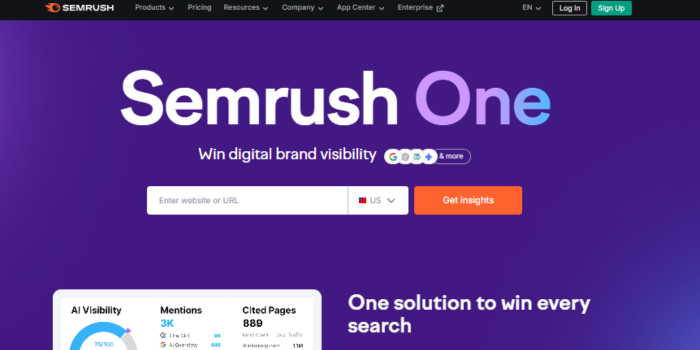
SEMrush provides an all-in-one automation setup covering SEO, PPC, content, and competitive research. It automates keyword tracking, site health checks, and content gap analysis. This makes it a solid choice for businesses managing multiple channels.
Pros
- Wide range of automation features
- Strong keyword and competitor insights
- It is helpful to use content optimization tools
- Suitable for agencies and teams
Cons
- The interface can feel overwhelming at first
- Higher-tier plans get expensive
- Some data overlaps across tools
Google Search Console
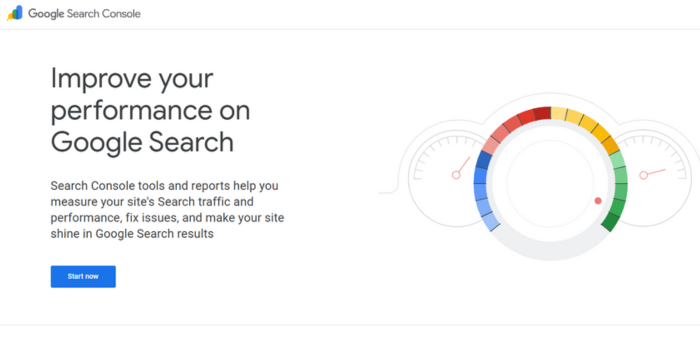
Google Search Console delivers automated insights straight from Google itself. It flags indexing problems, crawling errors, and performance changes. While simple, it’s critical for understanding how Google views your site.
Pros
- Free and accurate data
- Direct visibility into search performance
- Automated alerts for critical issues
- Essential for indexing and coverage checks
Cons
- Limited historical data
- No competitor analysis
- Requires pairing with other tools
Screaming Frog
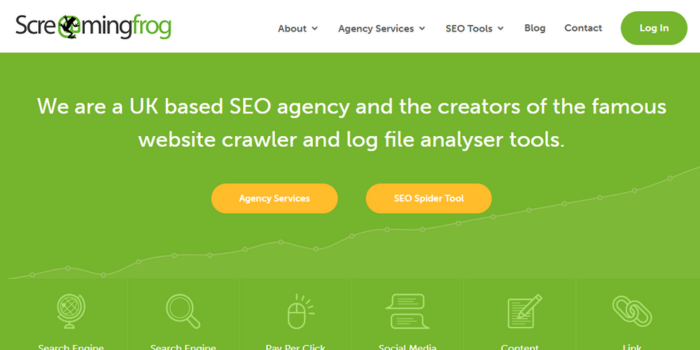
Screaming Frog automates deep technical SEO audits by crawling websites at scale. It’s especially useful for identifying broken links, duplicate content, and redirect issues across large sites.
Pros
- Very detailed technical audits
- Fast crawling for large websites
- Highly customizable filters
- One-time license cost
Cons
- Desktop-based, not cloud-based
- Learning curve for beginners
- Limited automation without scheduling tools
Surfer SEO
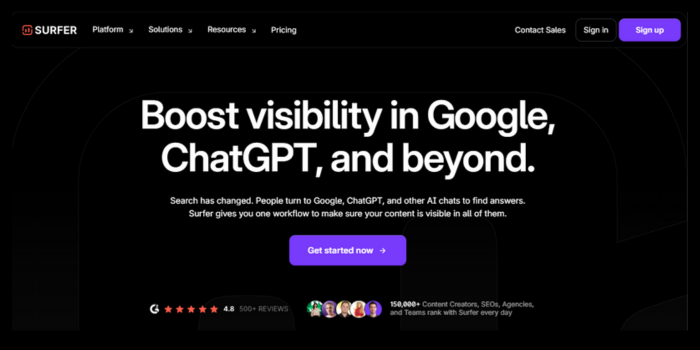
Surfer SEO automates content optimization by analyzing top-ranking pages and suggesting changes in real time. It helps ensure your content matches current search intent and ranking patterns.
Pros
- Data-driven content guidelines
- Real-time optimization feedback
- Works well with content teams
- Easy to integrate into workflows
Cons
- Limited technical SEO features
- Requires manual content creation
- Can feel restrictive if overused
ContentKing
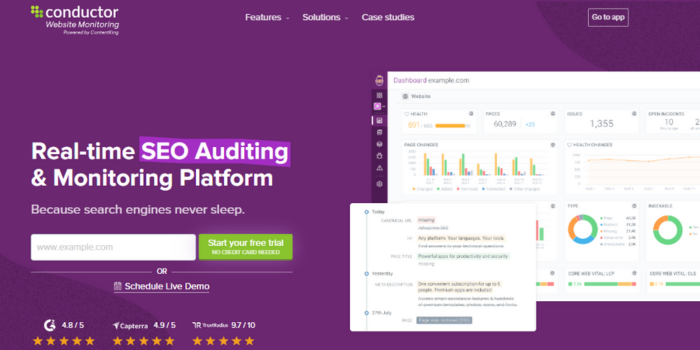
ContentKing focuses on real-time SEO monitoring. It automatically tracks on-site changes and sends alerts when something affects your SEO performance, helping teams fix issues before rankings drop.
Pros
- Real-time monitoring and alerts
- Strong change-tracking features
- Useful for large or dynamic sites
- Cloud-based and collaborative
Cons
- No keyword research tools
- Not beginner-friendly pricing
- Best used alongside other platforms
Ubersuggest
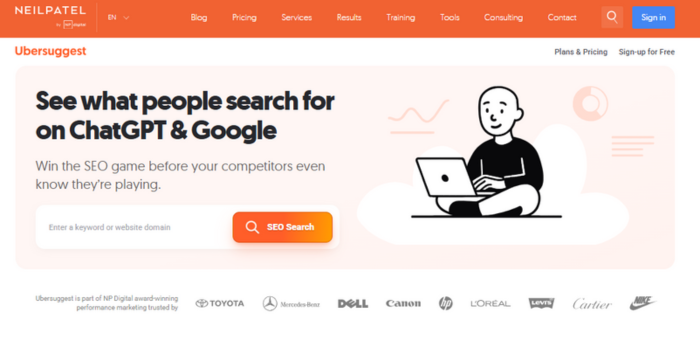
Ubersuggest is a simpler automation tool aimed at small businesses and solo marketers. It automates keyword suggestions, site audits, and basic rank tracking without overwhelming users.
Pros
- Affordable pricing
- Easy-to-use interface
- Helpful for beginners
- Lifetime plan option
Cons
- Limited advanced features
- Smaller data sets than premium tools
- Basic reporting capabilities
Moz Pro
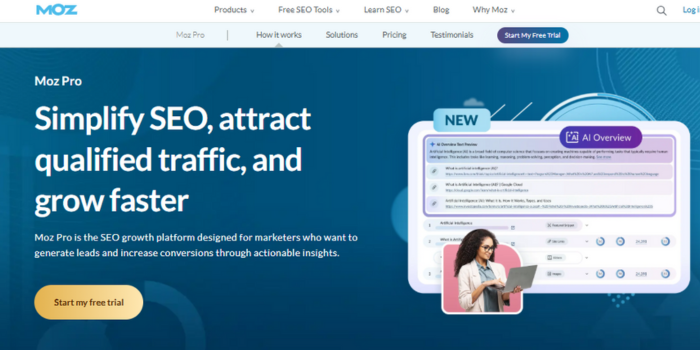
Moz Pro offers automated keyword tracking, site audits, and link analysis with a strong focus on usability. It’s often chosen by teams that want clarity without heavy technical complexity.
Pros
- Clean, beginner-friendly interface
- Reliable domain metrics
- Automated site crawl reports
- Good educational resources
Cons
- Smaller backlink index
- Slower feature updates
- Less competitive intelligence
Rank Math
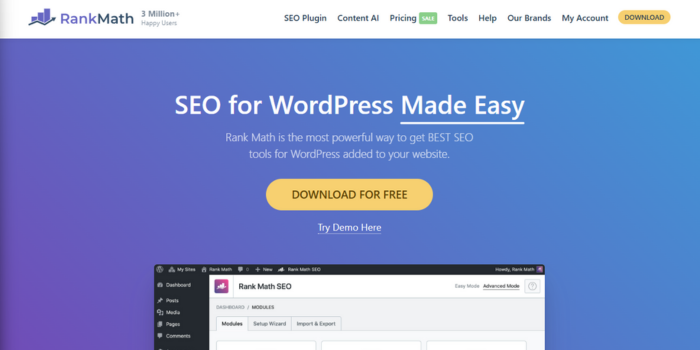
Rank Math is a WordPress-based SEO automation plugin that handles on-page optimization, schema, and technical settings. It automates many SEO tasks directly within your CMS.
Pros
- Easy WordPress integration
- Automated schema and metadata
- Strong free version
- Lightweight performance
Cons
- Limited use outside WordPress
- Advanced features require paid plans
- Not a full SEO platform
Yoast SEO
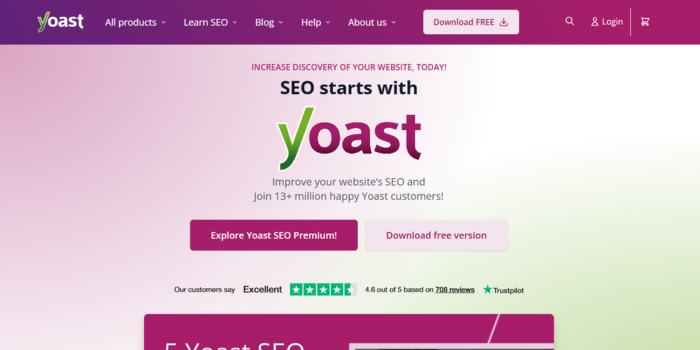
Yoast SEO focuses on on-page automation for WordPress websites. It helps manage metadata, readability checks, and internal linking suggestions.
Pros
- Simple on-page SEO automation
- Trusted and widely used
- Clear optimization feedback
- Works well for blogs
Cons
- Limited technical depth
- Advanced features are locked behind paid plans
- No competitor insights
BrightEdge
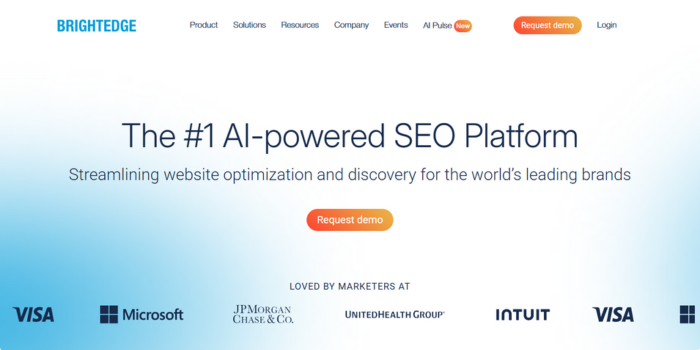
BrightEdge is an enterprise-level SEO automation platform designed for large organizations. It automates performance tracking, content optimization, and reporting at scale.
Pros
- Advanced automation and reporting
- Strong AI SEO services insights
- Ideal for large teams
- Enterprise-grade support
Cons
- Very high cost
- Not suitable for small businesses
- Steep learning curve
SE Ranking
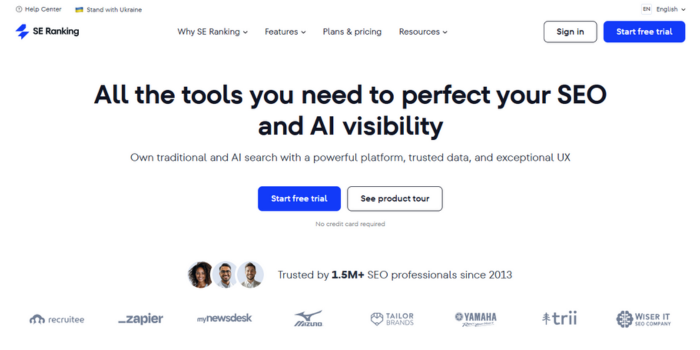
SE Ranking offers balanced SEO automation for tracking rankings, site audits, and competitor analysis. It’s a flexible option for growing businesses.
Pros
- Affordable pricing tiers
- Accurate rank tracking
- Customizable reports
- Easy setup
Cons
- Smaller backlink database
- UI feels basic
- Limited content optimization tools
Botify
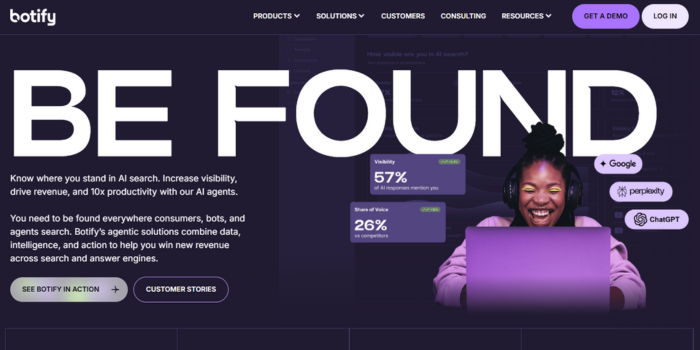
Botify focuses on enterprise-level technical SEO automation. It analyzes crawlability, indexation, and site structure using search engine behavior data.
Pros
- Deep technical insights
- Strong crawl analysis
- Scales well for large sites
- Data-backed recommendations
Cons
- High pricing
- Requires technical knowledge
- Not beginner-friendly
Sitebulb
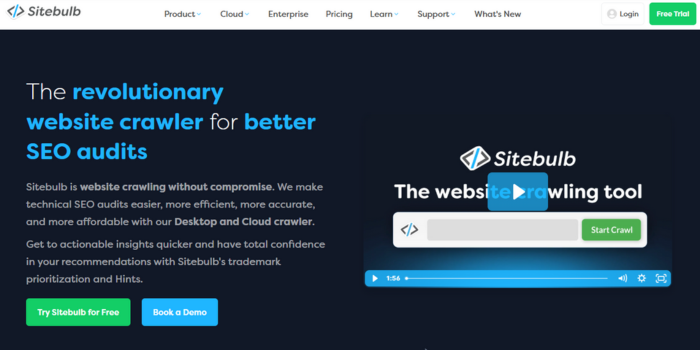
Sitebulb automates technical audits with clear visual reports. It’s useful for teams that want strong diagnostics without raw data overload.
Pros
- Visual, easy-to-understand audits
- Actionable SEO recommendations
- Desktop-based reliability
- Helpful for audits and reporting
Cons
- Limited automation scheduling
- No keyword research tools
- Desktop-only usage
SEO Takes Time. Automation Gives It Back
Manual audits, missed issues, and slow updates add up fast.
SEO automation helps you spot problems early, fix them quicker, and stay ahead without burning hours every week.
Work smarter, not longer.
Key-Proven Strategies For SEO Automation
SEO automation works best when applied with clear goals and structure. These strategies have proven effective across industries.
1.Automated technical audits
Regular scans help catch broken links, index issues, and crawl errors.
2.Keyword tracking with alerts
Automated tracking shows ranking changes without daily checks.
3.Content optimization workflows
Tools can flag outdated pages and suggest improvements.
4.Reporting automation
Scheduled reports keep stakeholders informed without manual work.
The Latest Trending Concepts In SEO Automation
SEO automation is evolving quickly as search engines grow smarter. These trends are shaping 2026.
-
AI-assisted SEO insights
Tools now prioritize issues based on impact, not volume.
-
Search intent mapping
Automation helps match content to real user intent signals.
-
SEO for AI-powered search results
The visibility tracking now goes beyond classic rankings.
-
Real-time performance monitoring
Instant alerts help teams react faster than before.
Final Take
SEO automation is no longer a shortcut; it’s a foundation. In 2025, search engines reward consistency, relevance, and strong user experience. Manual SEO struggles to keep pace with that demand. Automation fills the gap by keeping your site clean, your data fresh, and your strategy focused. That said, automation works best when paired with human judgment. Tools handle the heavy lifting, but people decide what matters. When used right, SEO automation helps businesses move faster without cutting corners. It reduces guesswork, highlights real opportunities, and keeps efforts aligned with search engine expectations. Looking ahead to 2026, SEO success will belong to teams that balance smart tools with smart thinking. Automation won’t replace strategy, but it will make strong strategies easier to execute and scale.
Still Doing SEO the Hard Way?
At Saffron Edge ,we turn SEO automation into real results.
From technical audits to performance tracking, we set up systems that catch issues, boost rankings, and scale with your growth.
Less guesswork. More momentum.
Share


Rank in AI Overviews
FAQs
Is SEO automation safe to use?

Yes. When used properly, it improves accuracy and reduces human error.
Can small businesses use SEO automation?
Absolutely. Many tools are built for small teams and tight budgets.
Does automation replace SEO experts?
No. It supports experts by saving time and improving data quality.
How do I start with SEO automation?
Start with audits, tracking, and reporting before expanding further.

Shreya Debnath

Shreya Debnath is a dedicated marketing professional with expertise in digital strategy, content development and scaling with AI & Automation along with brand communication. She has worked with diverse teams to build impactful marketing campaigns, strengthen brand positioning, and enhance audience engagement across multiple channels. Her approach combines creativity with data-driven insights, allowing businesses to reach the right audiences and communicate their value effectively. She perfectly aligns sales and marketing together and makes sure everything works in sync. Outside of work, Shreya enjoys exploring new cities, diving into creative hobbies, and discovering unique stories through travel and local experiences.
Related Blogs
We explore and publish the latest & most underrated content before it becomes a trend.

6 min read
Salesforce Email Marketing Automation: Essential Tips and Tricks
By Sabah Noor



Subscribe to Saffron Edge Newsletter!


Rank in AI Overviews