


Best Marketing Tools For Small Business In 2026


Jan 19, 2026

 8 min
8 min
Running a small business in 2026 means wearing a lot of hats, and marketing of the same is one of the hardest things.
Budgets are tight, competition is everywhere, and attention spans are shorter than ever. That’s why smart tools matter. Studies show that small businesses using marketing automation grow revenue 30% faster than those that don’t.
The good news?
You don’t need a huge team or enterprise software to compete. Today’s marketing tools help you automate emails, manage social media, track leads, and analyze performance all from one place.
The trick is knowing which tools are actually worth your time.
This list features 25+ marketing tools built for small businesses, updated for 2026 trends. Which are simple to use, budget-friendly, and designed to help you grow without stress.
Because good marketing shouldn’t feel the hardest.
So, let’s get into the list!
What Are Marketing Tools?
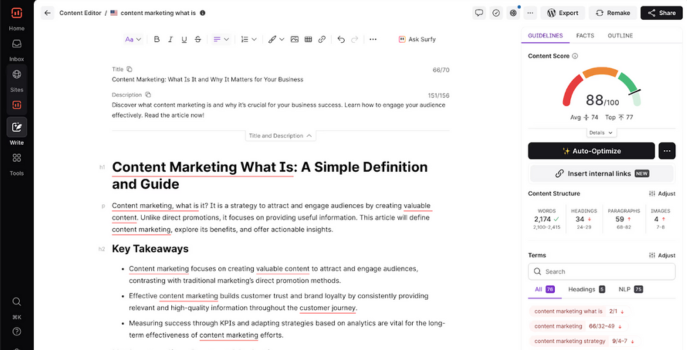
Marketing tools are software or platforms that help businesses plan, execute, track, and improve their marketing efforts without wasting time or money.
For small businesses, these tools handle tasks like email campaigns, SEO tracking, social media scheduling, lead management, and performance reporting.
Instead of guessing what works, marketing tools show real data so decisions are backed by numbers, not vibes.
However, in today’s market, marketing tools are not just “helpers.” They are part of daily operations.
With search engines favoring useful content, fast websites, and strong user signals, tools help businesses stay aligned with what customers and algorithms expect.
Mistakes Small Businesses Make When Choosing Tools
Before choosing any marketing tool, it’s important to know what not to do. So, let’s get into this section to help businesses lose money and time:
1. Paying for unused features: There are many tools that look impressive on sales pages, but small businesses rarely use everything they pay for. Advanced dashboards, extra user seats, or enterprise reports often go untouched. This leads to higher costs with no real return. Tools should match actual needs, not future “maybe” plans.
2. Using too many tools: Piling tools sounds productive, but it often creates confusion. Nevertheless, too many platforms mean more logins, scattered data, and slower workflows. Instead of saving time, teams spend hours switching between tools and fixing overlaps.
3. Ignoring integration: A tool that doesn’t connect with your existing setup creates friction. When email tools, SEO platforms, and CRMs don’t sync, data gets messy, and insights get missed. Integration matters more than fancy features.
Types of Marketing Tools For Small Business
Small businesses don’t need every tool on the market; they need the right ones that support daily marketing tasks without slowing things down.
| Marketing Tools | Use |
| Email & SMS Marketing | Send newsletters, promotions, alerts, and automated follow-ups to stay connected with customers. |
| Social Media Management | Schedule posts, manage accounts, track engagement, and keep branding consistent across platforms. |
| Content Creation & Design | Create visuals, ads, and marketing assets quickly without hiring a full design team. |
| SEO & Website Analytics | Monitor traffic, rankings, site health, and user behavior to improve visibility and performance. |
| Customer Relationship Management (CRM) | Organize leads, track interactions, and manage customer data in one place. |
| Automation & Workflow | Automate repeat tasks, connect tools, and reduce manual work across marketing operations. |
The tools listed below cover the most important areas of modern marketing, from customer communication to performance tracking.
Together, they form a practical setup that helps small teams stay organized, visible, and consistent as they grow.
To make your work easier, read the table below to understand fully:
| Tool | Category | Starting Price | Notes |
| Mailchimp | Email & SMS Marketing | Free plan available | Paid plans start from $13/mo |
| Klaviyo | Email & SMS Marketing | Free for up to 250 contacts | Paid plans scale with contacts |
| SlickText | Email & SMS Marketing | Starts $29/mo (500 SMS) | Messaging credits-based pricing |
| Buffer | Social Media Management | Free plan available | Paid plans from $5 per channel/mo |
| Hootsuite | Social Media Management | $99/mo | Good for managing many social accounts |
| Later | Social Media Management | Free & paid options vary | Visual planner focus (check site for detail) |
| Canva | Content Creation & Design | Free plan available | Pro $12.99/mo |
| BuzzSumo | Content Creation & Design | $119/mo | Powerful trend and content research |
| Grammarly | Content Creation & Design | Free plan available | Premium from $12–$30/mo |
| Google Analytics | SEO & Website Analytics | Free (GA4) | Essential for tracking traffic |
| AIOSEO | SEO & Website Analytics | Varies (WordPress plugin) | Paid plans depend on site count |
| SEMrush | SEO & Website Analytics | $139.95/mo | All-in-one SEO & ads suite |
| Ahrefs | SEO & Website Analytics | $99/mo | Deep links and keyword data |
| Ubersuggest | SEO & Website Analytics | Freemium | Paid upgrades available |
| HubSpot | CRM | Free core plan available | Paid add-ons vary widely |
| Zoho | CRM | Free plan & $14/user/mo | Scales with feature tier |
| Less Annoying CRM | CRM | $249/mo (annual) | Simple, flat pricing |
| Zapier | Automation & Workflow | Free plan available | $19.99/mo |
| Asana | Automation & Workflow | Free plan available | $10–$14/user/mo |
Email & SMS Marketing
Email and SMS marketing remain two of the highest-return channels for small businesses. In 2025, success comes from timing and relevance, not volume. These tools help businesses send the right message at the right moment, whether it’s a promo, reminder, or follow-up. As privacy rules tighten and inbox competition grows, tools that support segmentation and automation are leading the way.
- Mailchimp: It is a solid choice for small businesses that want reliable email marketing without a steep learning curve. It supports newsletters, promotions, and basic automation while offering clear performance reports. For teams just getting started, it’s easy to set up and manage.
- Klaviyo: It is built for data-driven messaging. It shines when businesses want to personalize emails and texts based on customer actions like purchases or browsing behavior. This makes it popular with e-commerce brands focused on repeat sales and retention.
- SlickText: It focuses on SMS marketing. It’s useful for quick updates, flash deals, and reminders that need fast attention. The platform keeps texting simple while offering automation and compliance tools.
Social Media Management
Social media management tools help small businesses stay active without being glued to their screens. In 2025, consistency matters more than posting everywhere at once. These tools make it easier to plan content, track engagement, and keep messaging aligned across platforms.
- Buffer: It is known for its clean interface and straightforward scheduling. It helps small teams plan posts ahead of time and track performance without overloading them with data.
- Hootsuite: It works well for businesses managing multiple accounts. It supports scheduling, monitoring mentions, and collaboration, making it useful for teams handling several platforms at once.
- Later: It is strong in visual-first platforms like Instagram and TikTok. It helps plan content visually and keeps posting schedules organized, which is helpful for brands focused on visuals and short-form content.
Content Creation & Design
Content is still king, but speed and clarity matter more than ever. In 2025, small businesses need tools that help create clean, helpful content without slowing things down. These tools support visuals, ideas, and writing quality.
- Canva: It makes design accessible. It helps businesses create social posts, ads, presentations, and branding assets quickly using templates and drag-and-drop tools.
- BuzzSumo: It helps businesses understand what content works. It shows trending topics and popular formats, which helps teams plan content that aligns with audience interest instead of guessing.
- Grammarly: It helps improve clarity and tone. It catches errors and suggests improvements, making content easier to read and more professional across emails, blogs, and social posts.
SEO & Website Analytics
SEO and analytics tools help businesses understand how users find and interact with their website. With search engines focusing on helpful content and user experience, these tools are essential for spotting gaps and tracking progress for your SEO agency.
- Google Analytics: It tracks website traffic and user behavior. It helps businesses understand where visitors come from and what actions they take, which supports smarter decisions.
- AIOSEO: It is a WordPress-focused SEO plugin that helps manage on-page SEO. It simplifies tasks like metadata, sitemaps, and basic optimization without needing technical skills.
- SEMrush / Ahrefs: These tools provide deeper insights into keywords, competitors, backlinks, and site health. They’re useful for businesses that want to grow organic traffic and stay competitive in search and AI SEO agency.
- Ubersuggest: It offers keyword research and basic SEO audit insights at a lower cost. It’s a good entry-level option for small businesses building their SEO foundation.
Customer Relationship Management (CRM)
CRM tools help businesses organize customer data and manage relationships over time. In 2025, CRMs are less about storage and more about visibility and follow-through.
- HubSpot CRM: It offers a strong free plan that covers contact management, deal tracking, and basic automation. It works well for aligning sales and marketing efforts.
- Zoho CRM: It is flexible and customizable. It supports lead tracking, automation, and reporting, making it a good fit for growing teams with changing needs.
- Less Annoying CRM: This CRM is built for simplicity. It focuses on core features without extra clutter, making it ideal for solo owners or small teams who want something easy to manage.
Automation & Workflow
These tools help reduce manual work and connect platforms. In 2025, businesses expect tools to work together smoothly so teams can focus on strategy, not setup. .
- Zapier: It connects apps and automates repetitive tasks. It helps move data between tools without coding, saving hours each week.
- Asana: It helps manage tasks and projects. It keeps marketing work organized, tracks deadlines, and improves team visibility across campaigns.
Too many tools. Not enough results?
Email, social, SEO, analytics, your tools should work together, not slow you down. The right marketing stack saves time, cuts costs, and actually drives growth.
How To Choose The Best Marketing Tools for A Small Business?
When you are choosing the right marketing tools doesn’t need to be complicated. A few smart checks can save months of frustration. So, let’s know the checklist:
Start with clear goals
To know what problem you’re solving, whether it’s more traffic, better leads, or improved rankings, the tool should solve one main issue well.
Always focus on ease of use
If a tool needs hours of training, it won’t get used. So, clean dashboards and simple workflows matter, especially for small teams.
Check real scalability
The tool should grow with your business without forcing a full switch later. That’s where flexible pricing and feature upgrades help.
Look at support and updates
Regular updates and active support show the tool is built for long-term use, not short-term hype.
Future Marketing Tool Trends To Watch Out For
Marketing tools are changing fast, and 2026 will reward businesses that stay ready. So, the future marketing trends to watch in 2026 are:
1. Smarter automation: Tools will handle repetitive tasks while giving clearer insights, not just raw data.
2. SEO tools built for AI search results: Platforms will track visibility beyond classic rankings, including AI-powered answers and summaries.
3. Privacy-first tracking: With stricter data rules, tools will rely more on first-party data instead of third-party cookies.
4. All-in-one platforms are gaining ground: Businesses want fewer tools that do more, and vendors are responding.
The future favors tools that are simple, connected, and focused on real results, not noise.
Conclusion
In today’s search outlook, tools are no longer optional. They shape how fast you move, how clean your data stays, and how well your marketing efforts perform. As algorithms lean harder on user experience, accuracy, and real value, the right tools help you stay focused. What matters most is balance, as using a few well-chosen tools gives clearer insights than stacking platforms that don’t talk to each other. Smart tools support your strategy, not replace it. They help you catch issues early, measure what actually works, and adapt faster when trends shift. If a tool saves time, improves clarity, and fits your workflow, it’s doing its job.
Your marketing tools should make money, not noise.
Most small businesses overpay for tools they barely use. Saffron Edge helps you choose, set up, and optimize marketing tools that fit your goals and budget.
Share


Rank in AI Overviews
FAQs
How many marketing tools do I really need?

Most teams only need three to five core tools. Like, one for analytics, one for SEO or content tracking, one for automation, and one for reporting. More tools don’t mean better results, as clear data and consistent usage matter more.
Are free marketing tools worth it?
Free marketing tools are great for getting started or validating ideas. They work well for basic insights but usually come with limits. As your workload grows, paid tools offer deeper data and better efficiency, which saves time long term.
Can one marketing tool replace multiple platforms?
Some marketing tools can cover several tasks, but none replace everything. All-in-one tools reduce complexity, yet specialized platforms still perform better for advanced needs. The goal is fewer tools that work well together, not one tool that tries to do it all.

Shreya Debnath

Shreya Debnath is a dedicated marketing professional with expertise in digital strategy, content development and scaling with AI & Automation along with brand communication. She has worked with diverse teams to build impactful marketing campaigns, strengthen brand positioning, and enhance audience engagement across multiple channels. Her approach combines creativity with data-driven insights, allowing businesses to reach the right audiences and communicate their value effectively. She perfectly aligns sales and marketing together and makes sure everything works in sync. Outside of work, Shreya enjoys exploring new cities, diving into creative hobbies, and discovering unique stories through travel and local experiences.
Related Blogs
We explore and publish the latest & most underrated content before it becomes a trend.

6 min read
Dynamic Email Content: What It Is and Its Importance in Marketing
By Sabah Noor

8 min read
What is SEO? 2025 Guide to Search Optimization in the AI Era
By Nishant Ahlawat

Subscribe to Saffron Edge Newsletter!


Rank in AI Overviews